


Over 50 with Hip or Knee Pain? How to Find Lasting Relief Without Surgery
Are you over 50 and struggling with hip or knee pain? Discover how nonsurgical treatments can help you find lasting relief and avoid joint surgery.
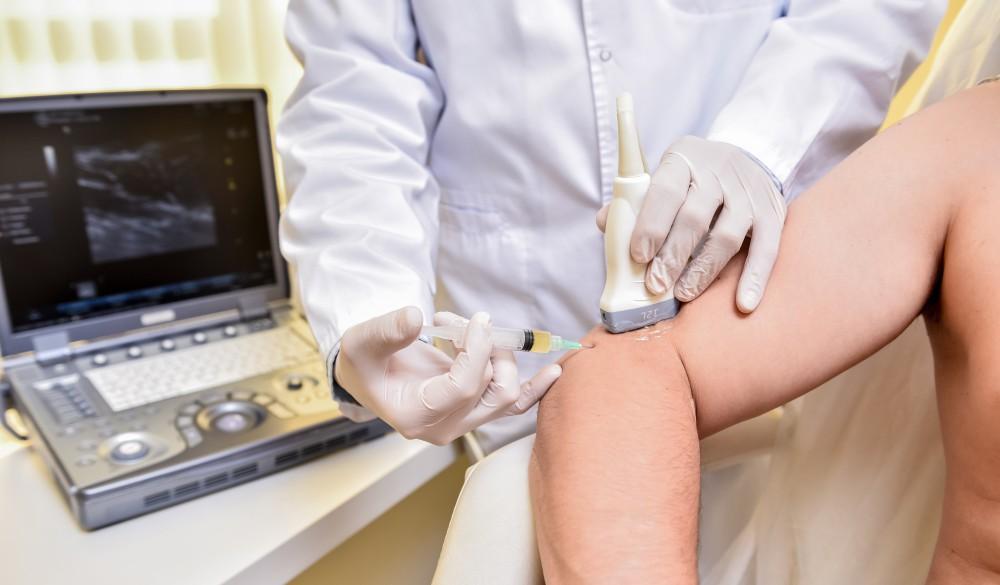
Chronic joint and tendon pain can make simple daily activities feel like a major challenge. If you’re looking for nonsurgical options, Dr. Seth Kaufman is here to help. At South Florida Interventional Orthopedics and Spine, we focus on conservative treatments to help you avoid surgery.
We offer PRP therapy at our offices in Davenport and Miami, Florida. This innovative treatment uses your body's own healing power to target pain at its source.
Platelet-rich plasma, or PRP, is a simple in-office procedure. We draw a small sample of your blood and spin it in a centrifuge. This process concentrates the platelets, which are rich in natural growth factors. We then inject this concentrated plasma directly into your damaged joint or tendon.
While PRP is highly effective, it’s important to have realistic expectations. It rarely wipes out pain completely for every single patient. For example, a 2021 study of 517 patients with knee osteoarthritis showed that about 40% to 50% of patients did not get partial relief.
We use PRP to significantly reduce your discomfort and improve your daily function, rather than promising a complete cure.
Unlike steroid shots that offer rapid but temporary relief, PRP works gradually. The concentrated platelets release growth factors that slowly repair tissue and calm chronic inflammation. This natural healing process takes time to build up in your body.
You should expect to see the most meaningful changes a few months after your session.
In a 2026 meta-analysis of 1,995 patients with knee osteoarthritis, patients achieved noticeable pain relief at three and six months compared to a placebo. However, the study also showed that low-platelet formulations didn’t provide a noticeable benefit. That’s why we carefully prepare a high-platelet formulation tailored to your needs.
This treatment is excellent for managing symptoms of knee pain and other joint issues.
PRP is generally very safe because it uses your own blood. However, it’s not the right choice for everyone. We perform a detailed evaluation to ensure you’re a good candidate for this treatment.
There are a few strict medical reasons why we might advise against PRP. A 2025 consensus guideline states that patients with active bacterial infections or certain cancers must avoid these injections. Drawing and reinjecting blood in these cases could accidentally spread pathogens or harmful cells.
We always review your complete medical history to keep your treatment safe and effective.
If you’re tired of living with chronic joint or tendon pain, you have conservative options. Our team is ready to help you find a path toward better mobility and less pain. To find out if PRP therapy is right for you, schedule a visit online or by phone today.


